Face Shape Detector: What Is My Face Shape?
Upload a selfie and our AI face shape analyzer measures the four dimensions that define your shape - face length, forehead width, cheekbone width and jaw width - then tells you whether your face is oval, round, square, heart, diamond or oblong. You also get a full facial-geometry report with it, in seconds.
- Free - no sign up
- Analyzed in your browser - photo never uploaded
- Works for men and women
Drag & drop or paste (Ctrl+V). Upload photo


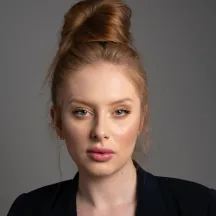



- ✅ Face the camera directly (frontal view only)
- ❌ No filters, beauty modes, or black & white effects
- 👤 Age 16 or older
- 😎 Avoid sunglasses, masks, or hats
- 💡 Ensure good lighting – natural light is ideal
- 👀 Keep your eyes open and visible
- 🧍♀️ Only one person in the photo – group photos won’t work
- 🔄 Use a clear and recent photo
How the face shape detector works
Upload a clear photo
One front-facing photo with good lighting and hair pulled away from your face works best. No sign-up, no measuring tape.
AI maps your facial landmarks
The detector places hundreds of landmark points on your face and measures face length, forehead, cheekbone and jaw widths from them.
Get your face shape + full report
See your detected shape with a confidence level, plus a complete facial-geometry breakdown - symmetry, proportions, jawline and more.
What your free face shape report looks like
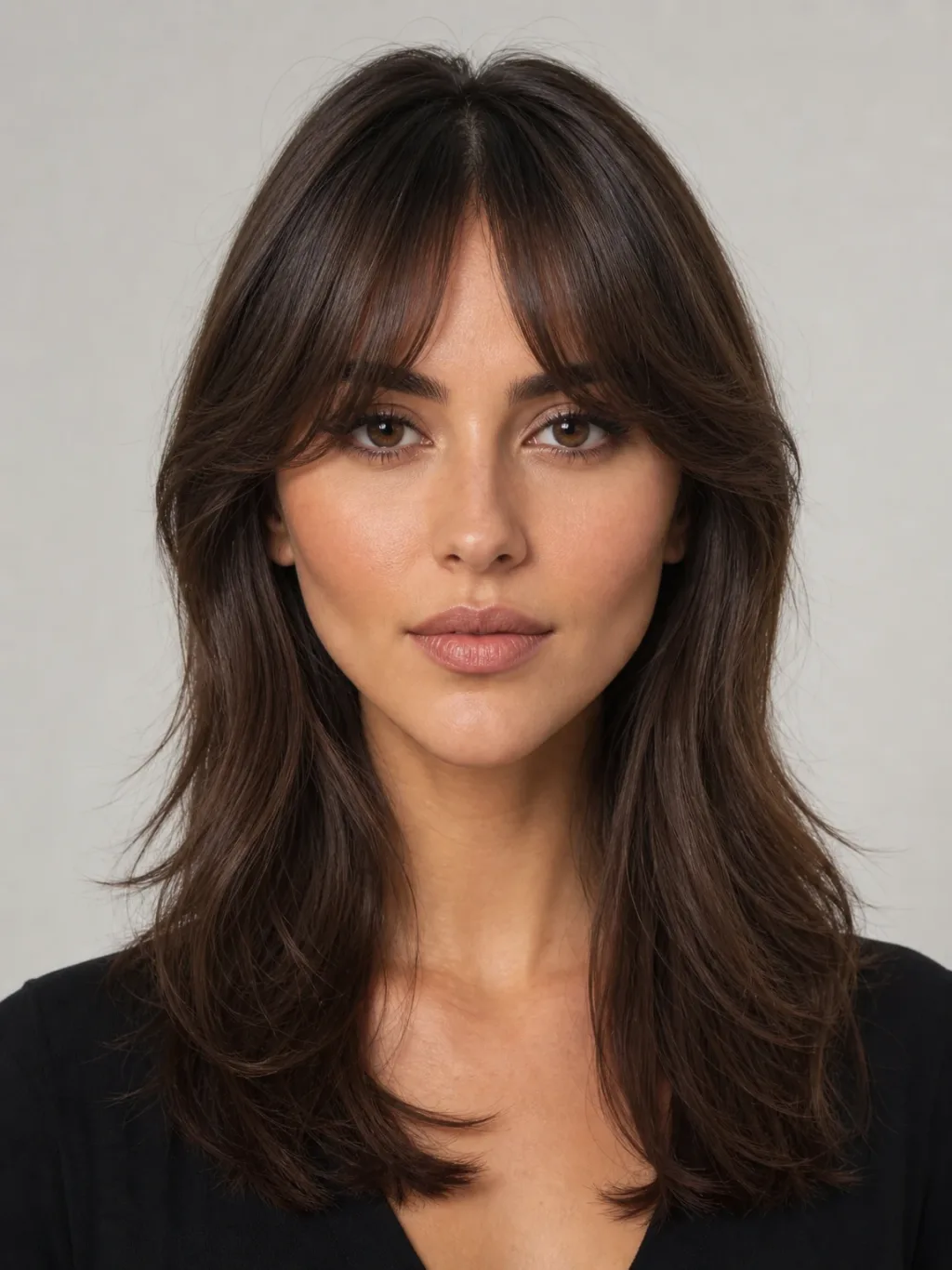
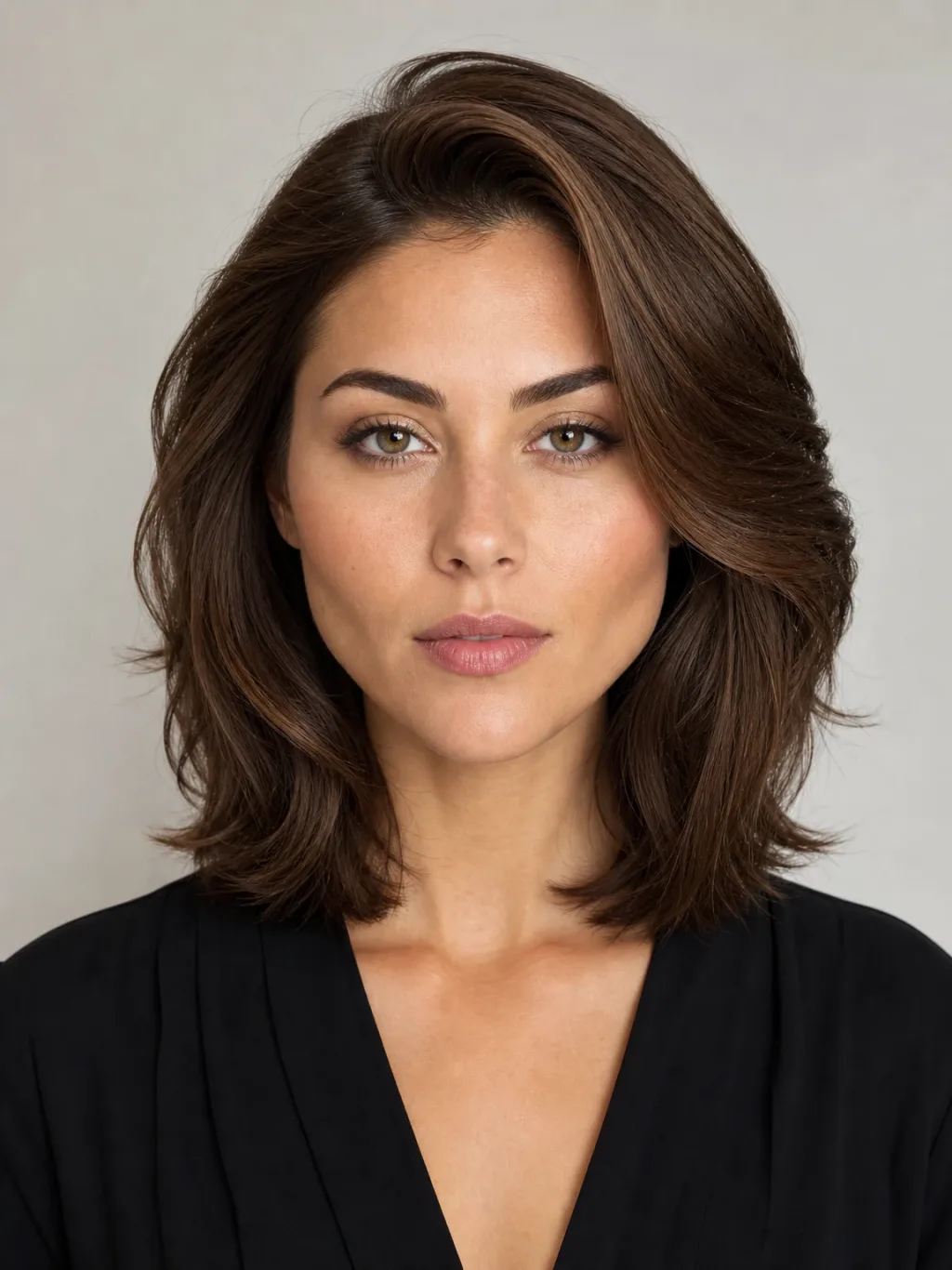
Every scan returns your detected face shape with a match percentage, how close the other shapes came, the two ratios behind the call, measured geometry, and matching hairstyles, glasses, and beards (for men) with real reference images — plus symmetry, thirds and jawline alongside it.
- Shape + % match
- 📐 Measured geometry
- 💇 Hairstyles, glasses & beards
- ⚡ Instant, no sign-up

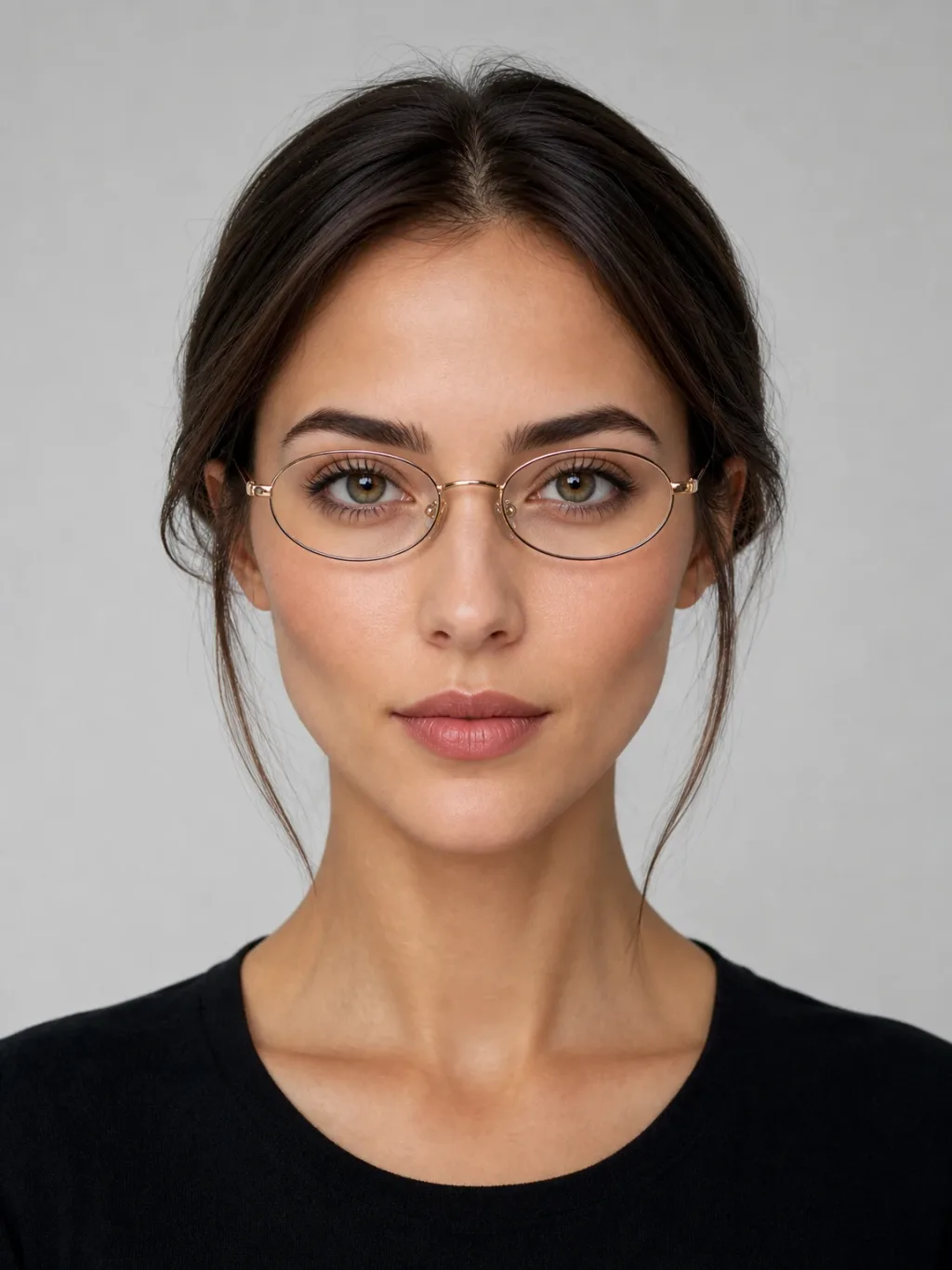
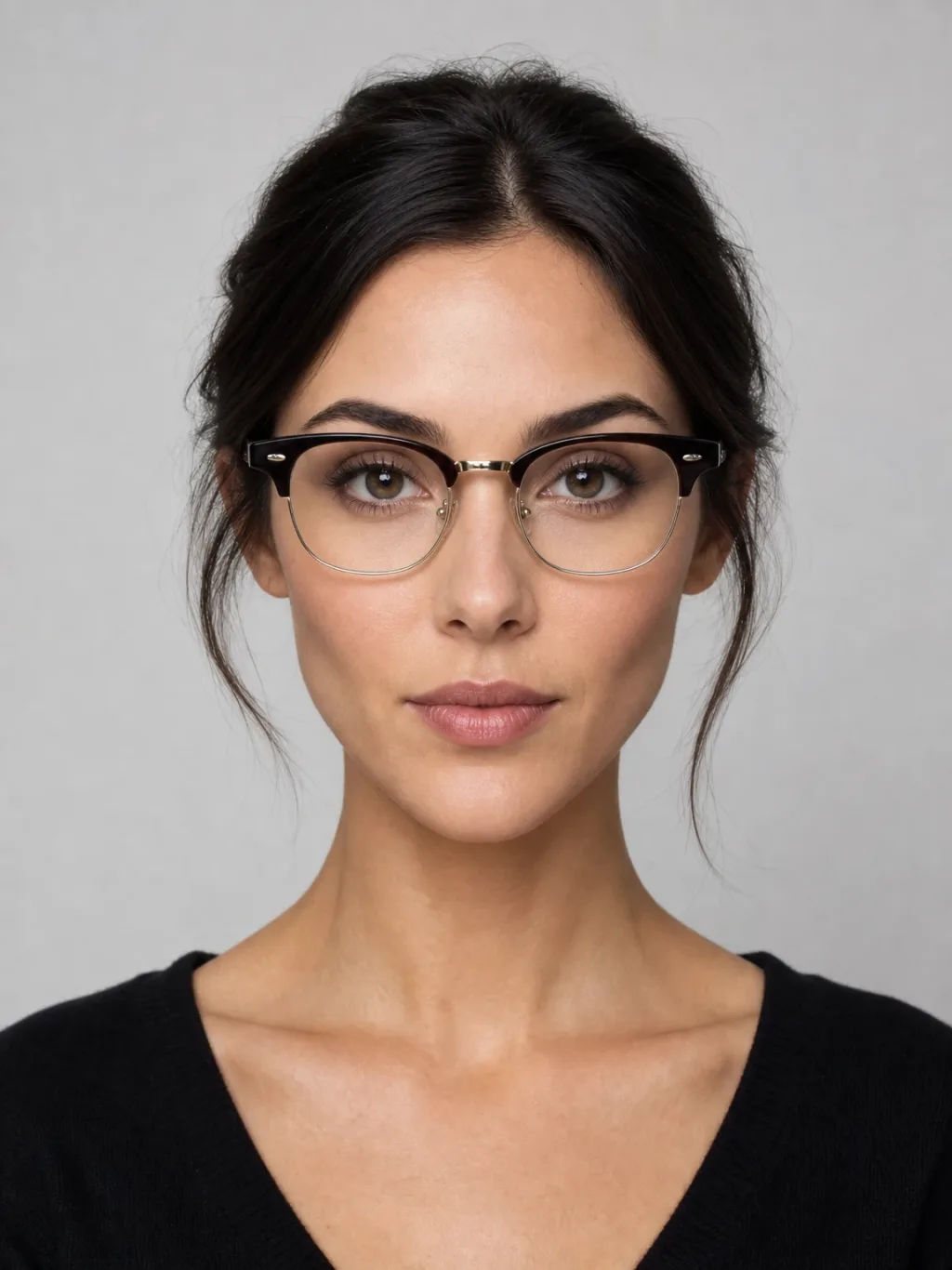




The geometry behind your face shape result
Your shape label comes from measured geometry, not a vibe check. The detector maps facial landmarks in your browser, reads four bone-anchored dimensions, compares two ratios against fixed rules, and returns your closest shape with a confidence score.
Detects landmarks
Maps hundreds of points around your hairline, temples, cheekbones, jaw and chin - directly in your browser.
Measures four dimensions
Face length, forehead width, cheekbone width and jaw width are calculated from landmark distances, not eyeballed.
Classifies by ratio
Two ratios - length-to-width and jaw-to-cheek taper - are compared against fixed thresholds for each shape.
Repeatable result
Fixed rules mean a deterministic answer: the same photo returns the same face shape and confidence every time.
The 7 face shapes, explained
Each shape is defined by how those four measurements relate. Use the examples below to see what each category looks like in practice.
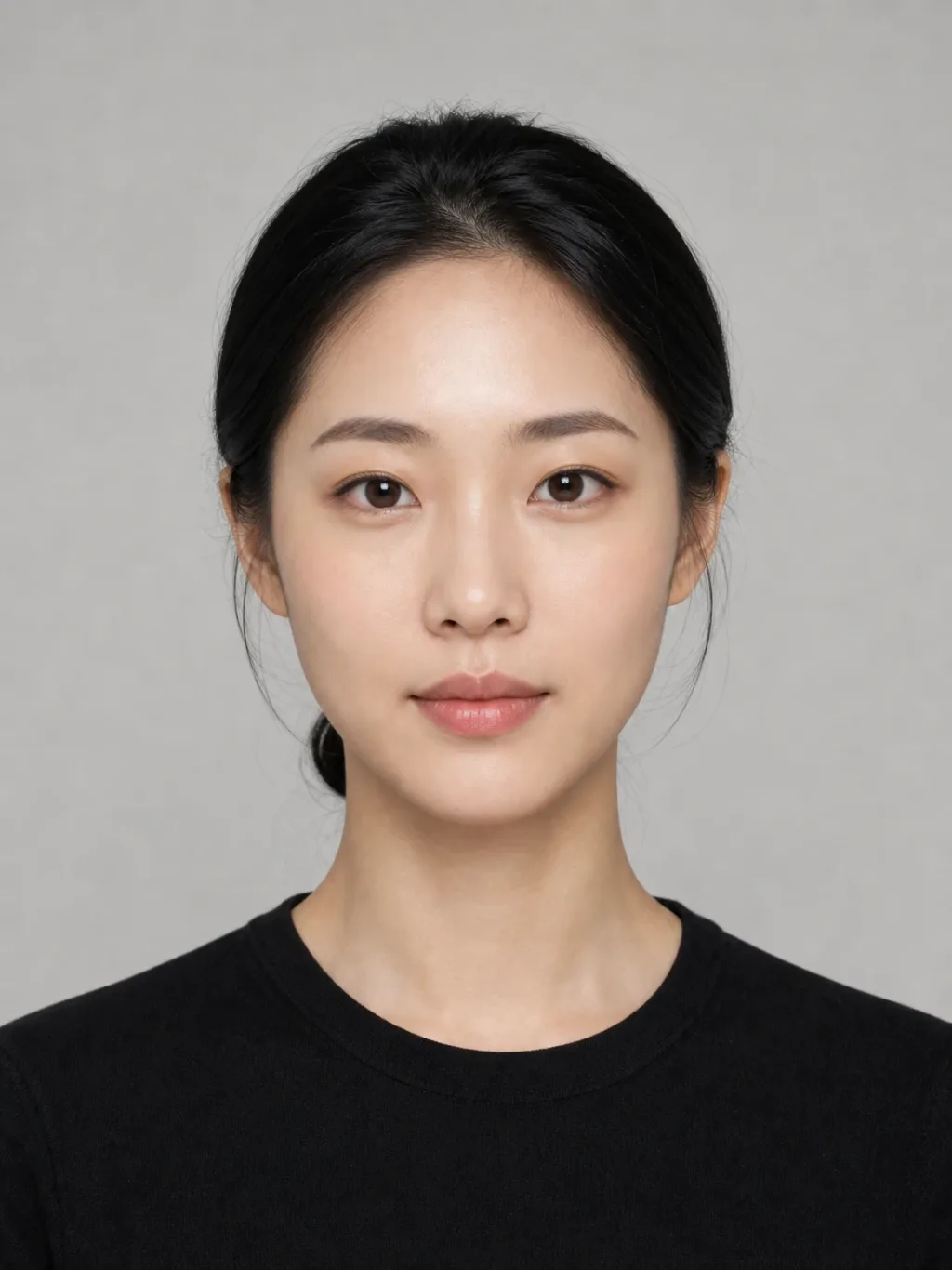
Oval
The most common - and most versatile- Length ≈ 1.5× width
- Cheekbones widest
- Gently tapered jaw
Longer than wide, with cheekbones as the widest point and a soft taper from forehead to chin. Almost every hairstyle and frame style works on an oval face.
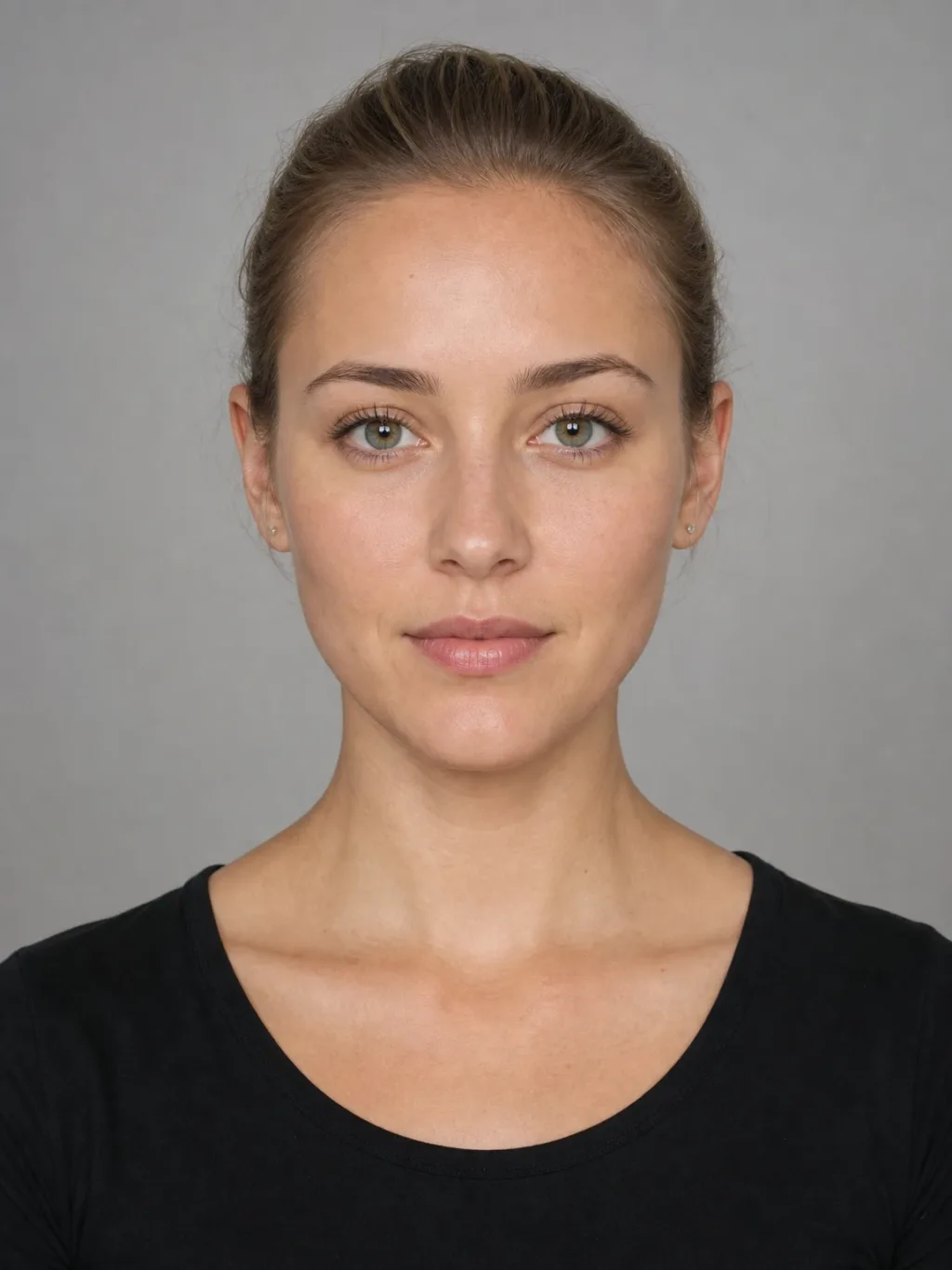
Round
Soft curves, full cheeks- Width ≈ length
- Full cheeks
- Soft, curved jaw
Width and length are nearly equal with no hard angles. Styling that adds height and vertical lines makes a round face read longer and more defined.
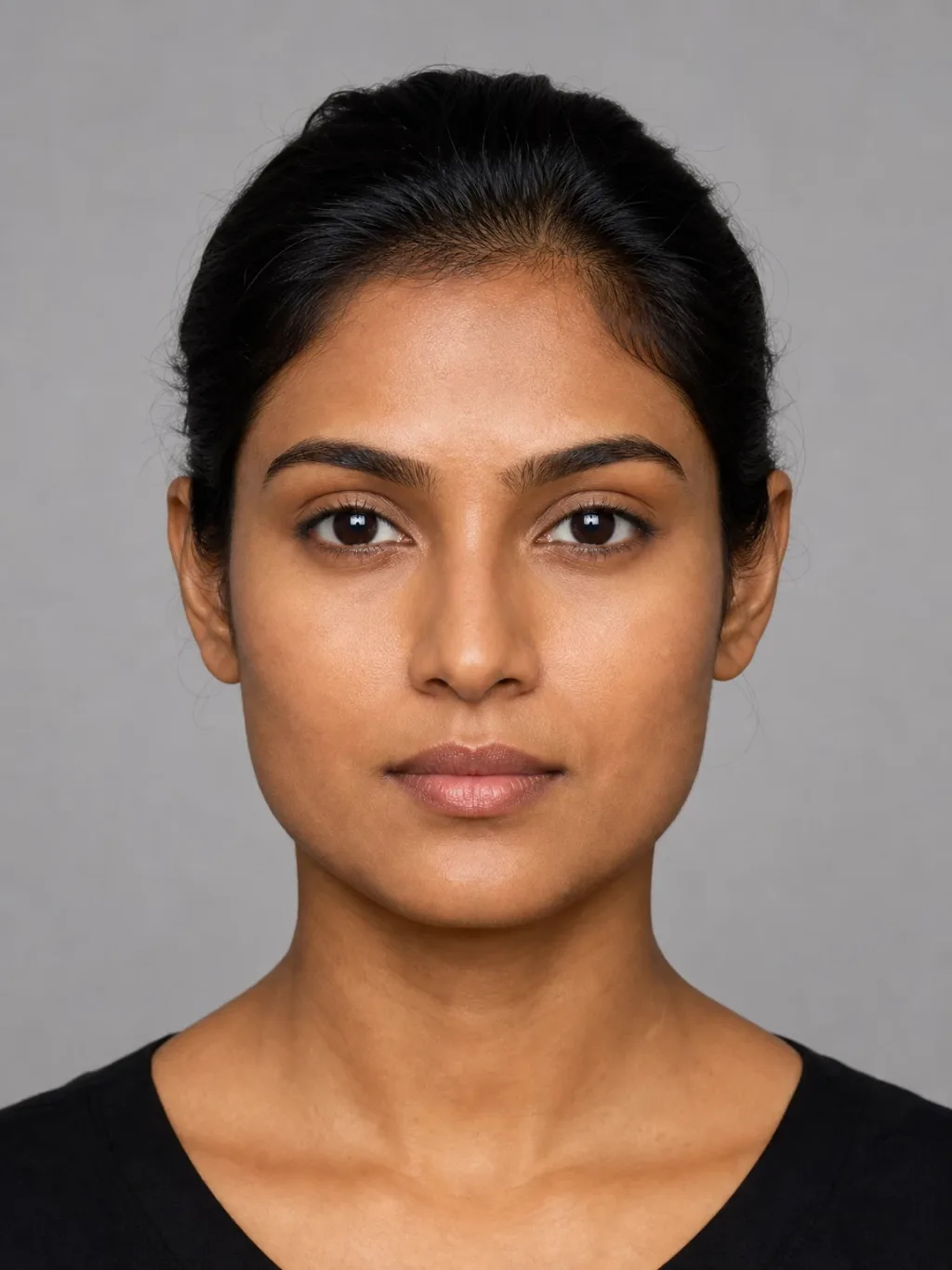
Square
Strong, angular jawline- Width ≈ length
- Forehead ≈ jaw width
- Defined jaw angles
Forehead, cheekbones and jaw are close in width, and the jawline is sharply defined. Softer, rounder styling elements balance the natural angles.
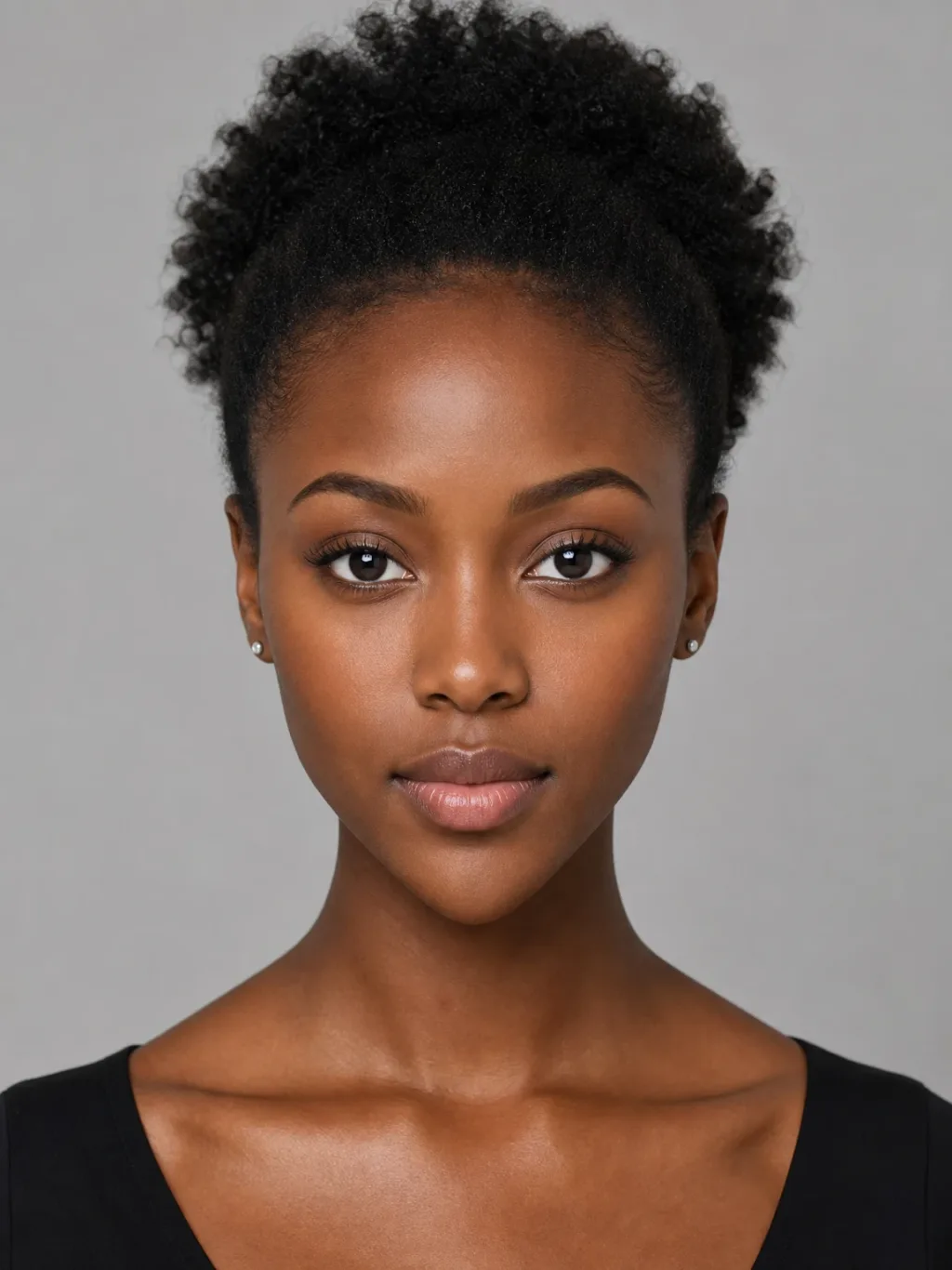
Heart
Wide forehead, narrow chin- Forehead widest
- High cheekbones
- Pointed chin
The upper face is clearly wider than the lower face, tapering to a narrow - often pointed - chin. Volume near the jawline restores balance.
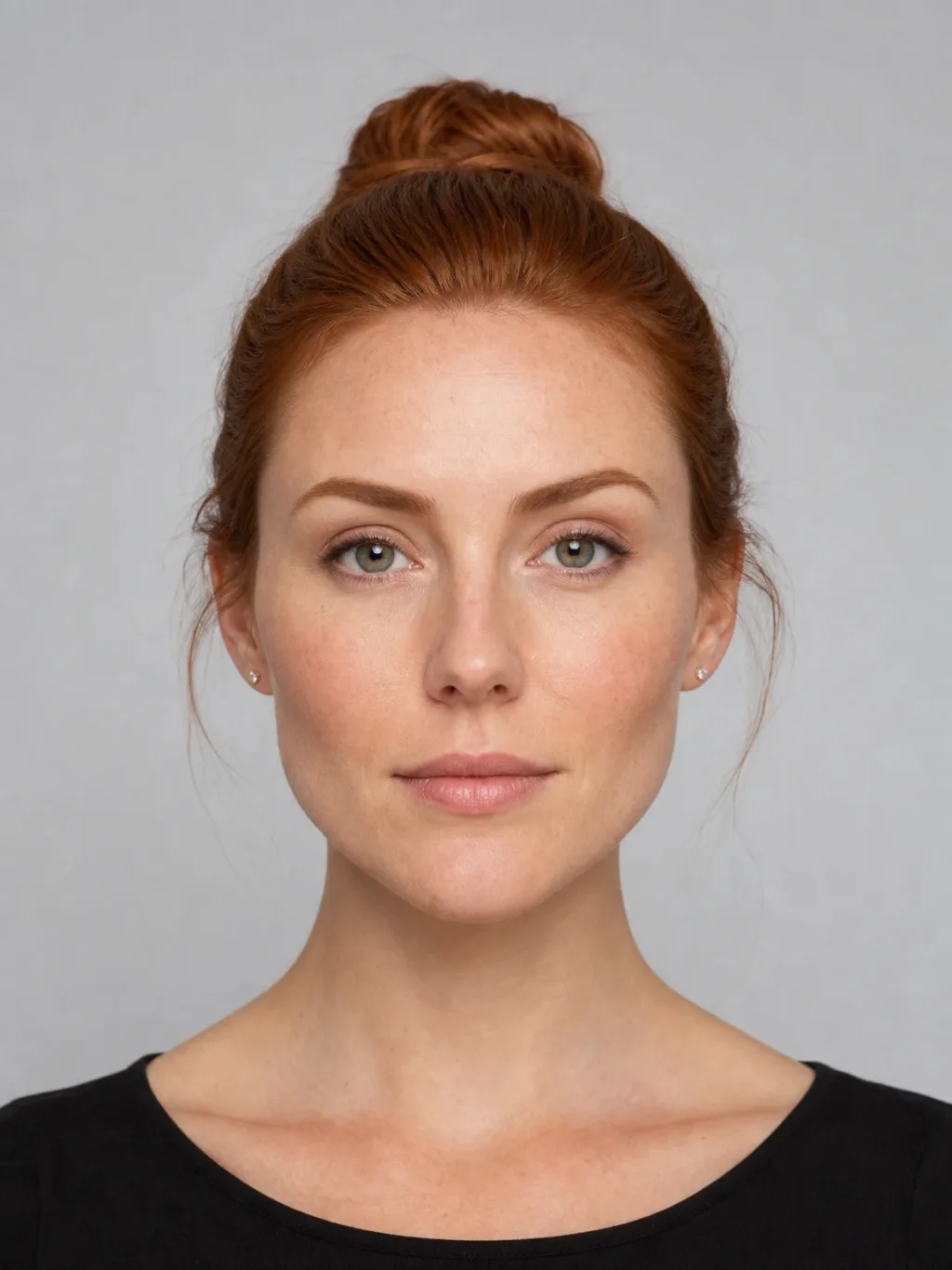
Diamond
The rarest shape- Cheekbones widest
- Narrow forehead
- Narrow chin
Both the forehead and jaw are narrow while the cheekbones flare wide. Rare and striking - styling with width at the temples or chin evens it out.
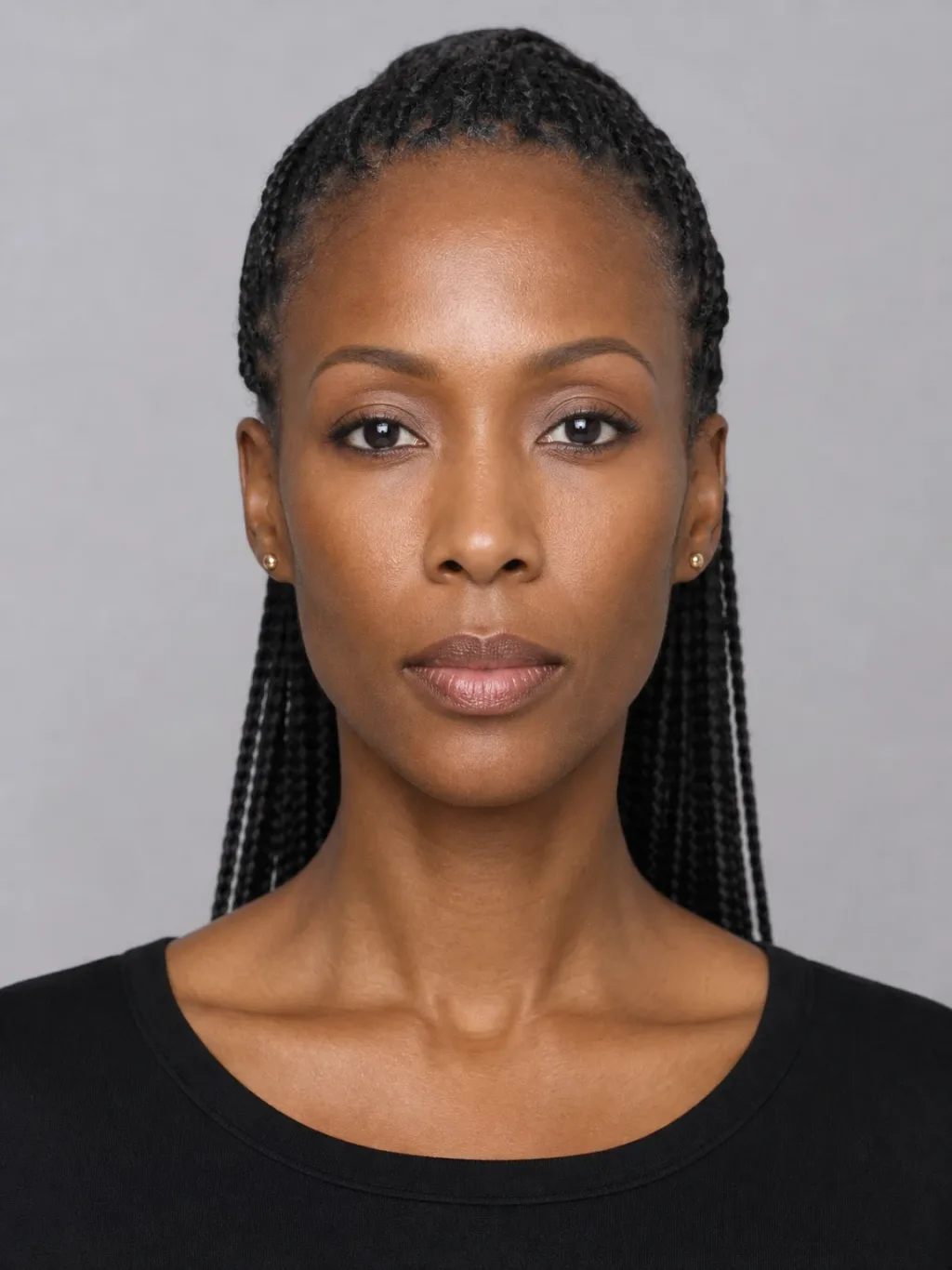
Oblong
Long and refined (also called rectangle)- Length ≫ width
- Straight sides
- Minimal taper
Noticeably longer than wide with nearly parallel sides. When the jaw is also angular it's often called a rectangle. Width-adding styles shorten the look.

Triangle
Jaw wider than forehead- Jaw widest
- Narrow forehead
- Bottom-heavy
The inverse of heart: widest at the jawline, narrowing toward the forehead. It's uncommon — the detector flags it when jaw width clearly out-measures forehead width.
The dimensions behind every shape call
Four widths and one length drive classification. Two derived ratios — face length ÷ width and jaw ÷ cheekbone width — do the actual sorting.
Face length-to-width ratio
How much longer your face is than it is wide. This single ratio separates long shapes (oval, oblong) from compact ones (round, square).
Forehead width
The width of your upper face at the temples. A forehead wider than the jaw points toward heart; narrower points toward triangle.
Cheekbone width
The widest point across your cheekbones. When cheekbones clearly out-measure both forehead and jaw, the shape reads as diamond.
Jaw width & angle
How wide and how angular your jawline is. A jaw nearly as wide as your cheekbones is the defining trait of a square face.
Jaw-to-cheek taper
The ratio of jaw width to cheekbone width - how strongly your lower face narrows toward the chin. This drives oval vs square vs heart calls.
Facial thirds & balance
Because the detector runs a full geometry scan, you also see how balanced your upper, middle and lower face are - context no shape label alone gives you.
How the detector decides - the actual rules
2 ratios · 7 shapesMost face shape tools keep their logic a black box. Ours is measured geometry, so we can show you the exact decision rules. The detector reduces your landmarks to two ratios — face length ÷ face width, and jaw width ÷ cheekbone width (the taper) — plus a forehead-vs-jaw width check for heart and triangle, then classifies your shape:
- OvalLong face (length ≥ 1.55× width) with a tapered jaw (jaw < 92% of cheek width)
- SquareCompact face (length < 1.25× width) with a broad jaw (jaw ≥ 95% of cheek width)
- RoundCompact face (length < 1.3× width) with a soft, tapered jaw
- HeartStrong taper - jaw narrower than 85% of cheek width
- OblongVery long face - length ≥ 1.65× width without a strong taper
- DiamondCheekbones clearly the widest point - jaw under 90% of cheek width on a mid-length face
- TriangleJaw wider than forehead — jaw width ≥ forehead width with a broad lower face (jaw ≥ 92% of cheek width)
Every result ships with a confidence level, because real faces sit between categories more often than exactly on one. If your ratios land near a boundary - say, between oval and oblong - the confidence tells you how borderline the call is.
Ratios are computed from bone-anchored landmark distances, so lighting and expression barely move them; photo angle does. Use a straight-on, eye-level photo.
Best hairstyles and glasses for your face shape
The whole point of knowing your face shape is using it. One rule drives most styling advice: contrast - soften angular faces, add structure to soft ones, add width to long ones and length to compact ones. Here's the cheat sheet stylists and opticians actually use.
Almost any frame - keep frames proportional to face width
Nearly every cut works; avoid heavy styles that cover the face
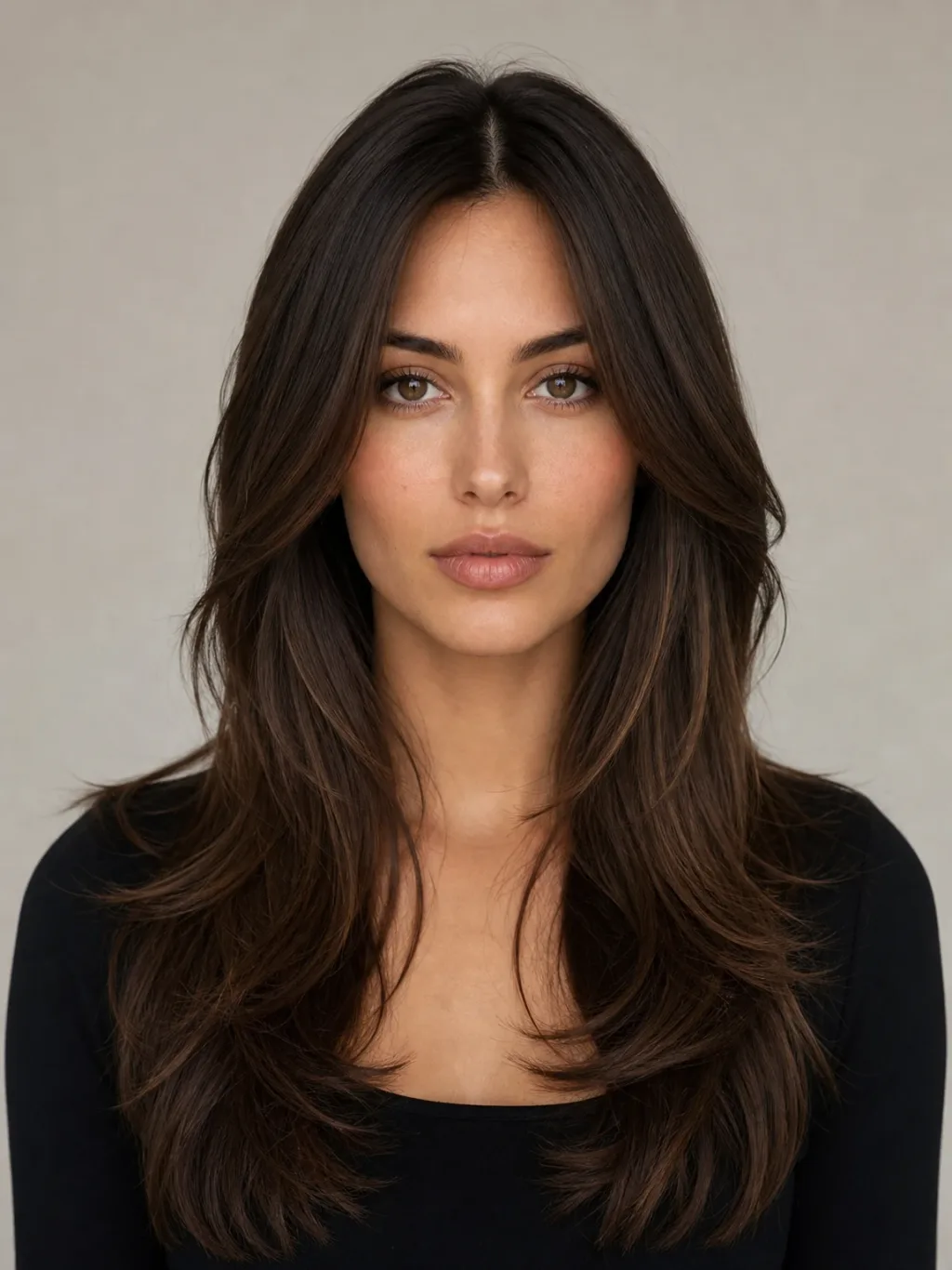
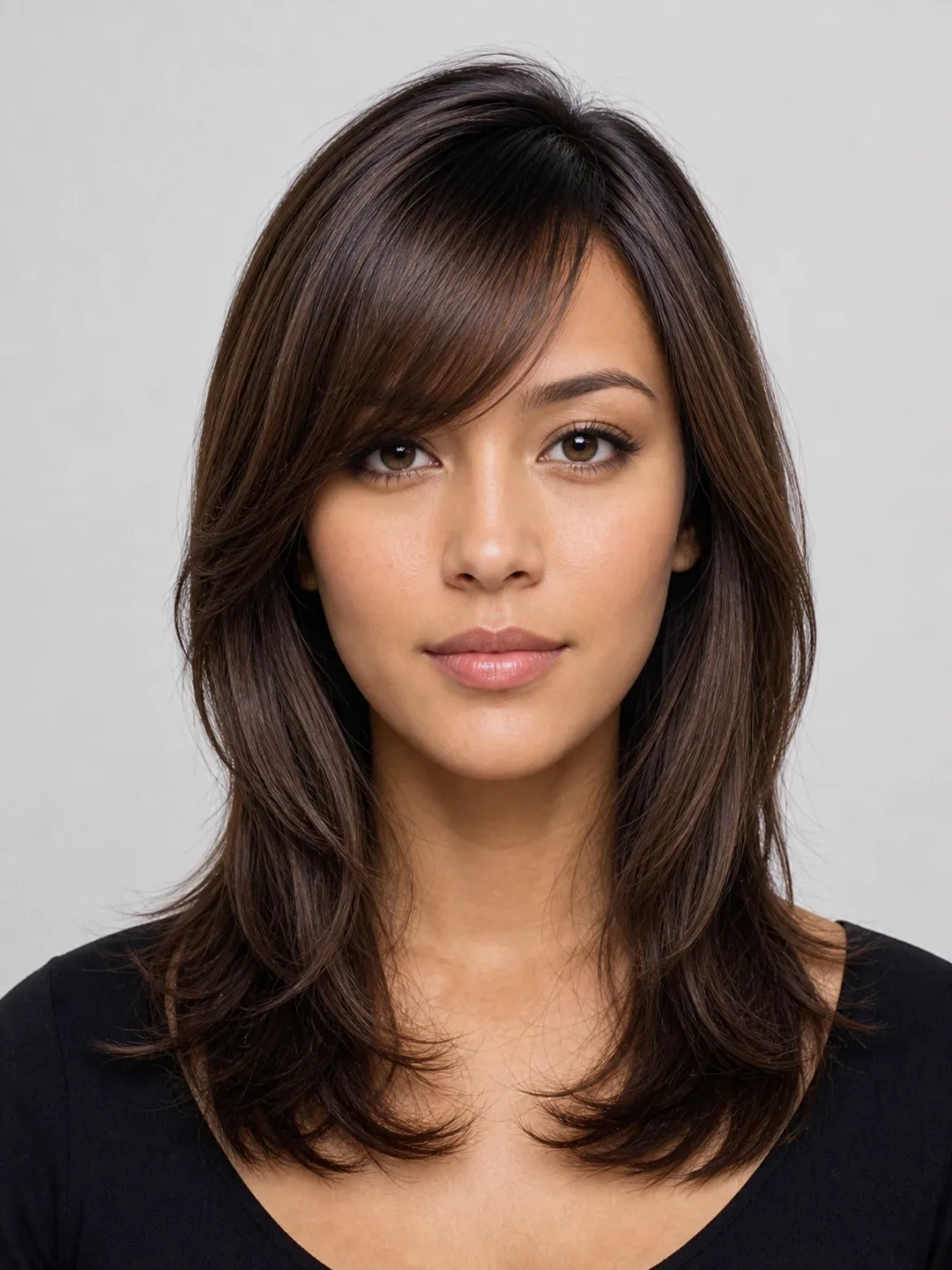
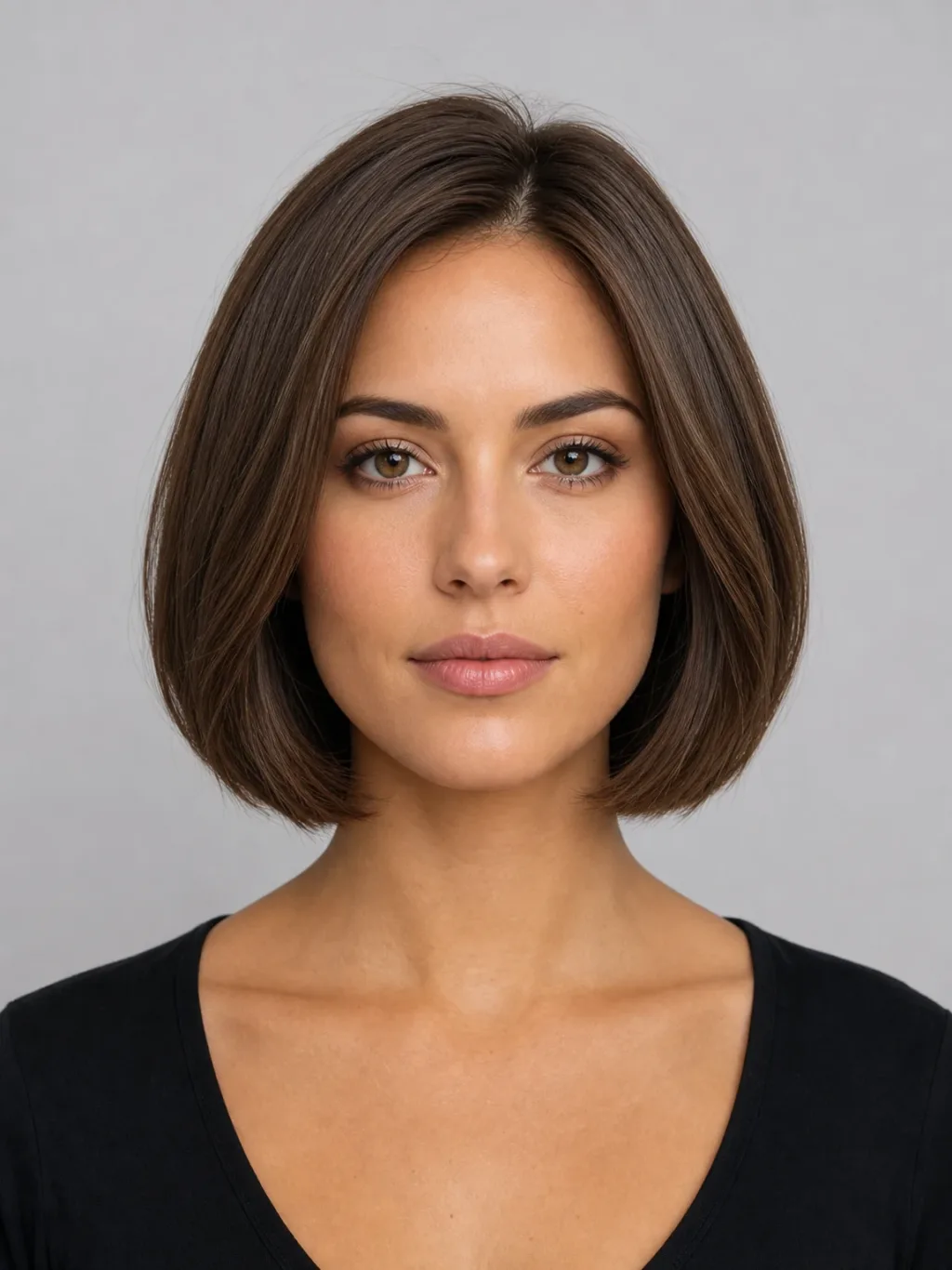





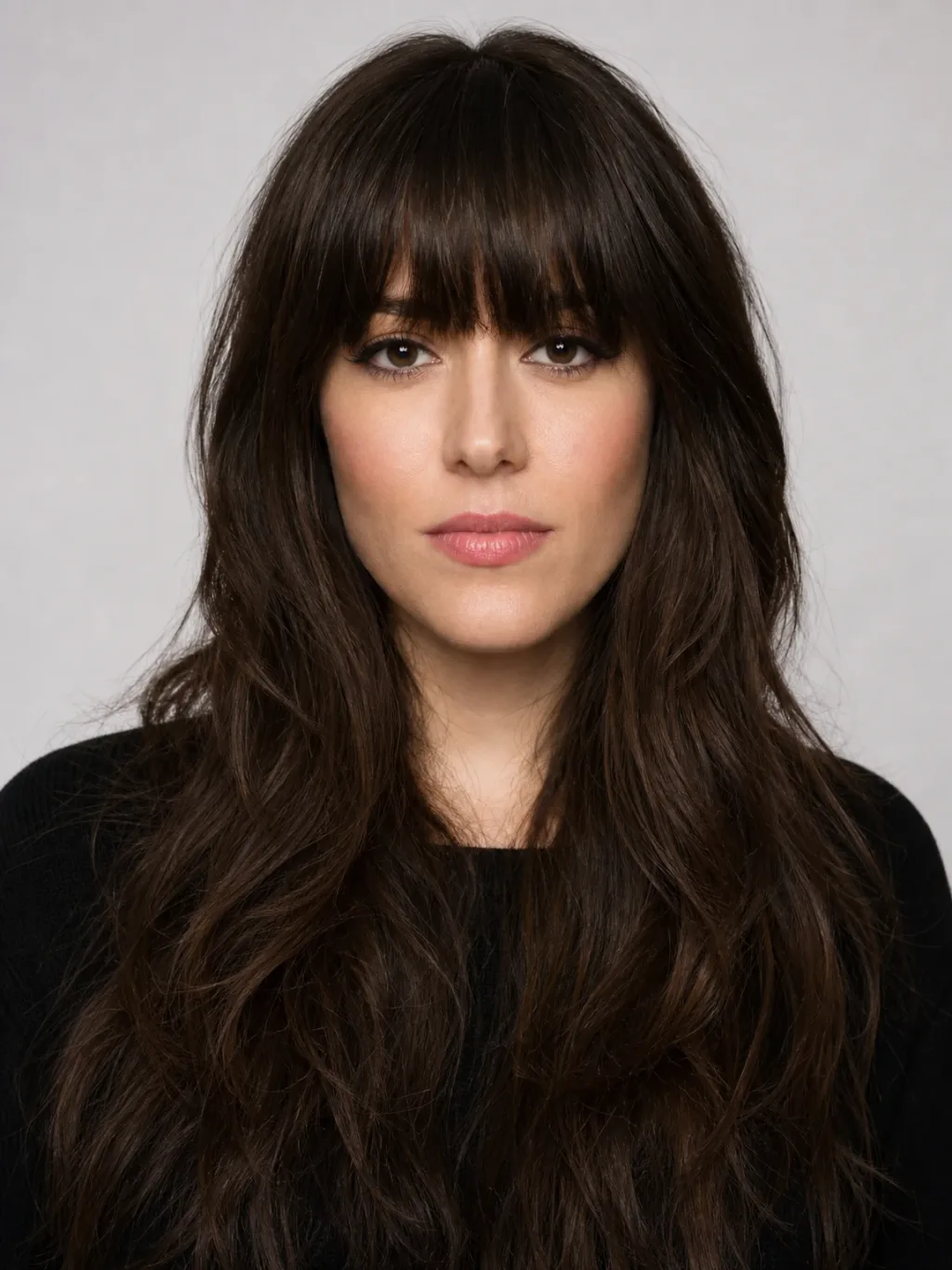
What oval faces should skip
Heavy styles that cover the face
For beard styling the same contrast rule applies: rounder faces suit beards that add length at the chin, while long faces suit fuller sides and a shorter chin.
Why use this AI face shape detector
Instant & free
Upload a photo and see your face shape in seconds. No account, no email, no measuring tape.
Private by design
Analysis runs in your browser. Your photo is never stored and never used to train any model.
Measured, not guessed
Your shape comes from real landmark geometry and published decision rules - not a vibe check.
More than a label
Alongside your shape you get a full facial report - symmetry, proportions, jawline and facial thirds.
How to find your face shape manually (and why AI is more consistent)
No photo handy? You can determine your face shape the traditional way with a soft measuring tape and a mirror. Take these four measurements, then compare them:
Forehead width
Measure across your forehead at the widest point, roughly halfway between your eyebrows and hairline.
Cheekbone width
Measure across the most prominent point of your cheekbones, just below the outer corners of your eyes.
Jaw width
Measure from one jaw corner (below the ear) to the other, across the widest part of your jawline.
Face length
Measure from the center of your hairline straight down over your nose to the tip of your chin.
If length is about 1.5× width with a soft taper, you're oval. Width close to length reads round (soft jaw) or square (angular jaw). A forehead clearly wider than the jaw is heart; the reverse is triangle; cheekbones widest is diamond. The catch: manual measuring is subjective - people place the tape differently every time. The AI detector measures the same bone-anchored landmark distances every run, which is why it gives the same answer for the same photo, every time.
A face shape is a guide, not a box
Most faces are a blend of two shapes, and every shape has its icons. Use your result to make styling choices easier - not as a rule about what you can or can't wear. Photos are analyzed in your browser, never stored, and never used to train models.
FAQ
What is my face shape?


Your face shape is defined by four measurements: face length, forehead width, cheekbone width and jaw width. Upload a photo and the AI face shape detector measures them from facial landmarks and tells you whether your face is oval, round, square, heart, diamond or oblong - with a confidence level.
How do I determine my face shape from a photo?
What are the seven face shapes?
What is the most common face shape?
What is the rarest face shape?
What is the most attractive face shape?
What's the difference between oval and oblong?
Does the face shape detector work for men?
Is the face shape detector free? Is my photo stored?
What glasses suit my face shape?
Can my face shape change over time?